Nagaland University Scientists Develop Biodegradable Gelatin-Based Electrolyte for Next-Gen Supercapacitors
EduNe Bureau
Kohima: In a significant stride toward sustainable energy innovation, researchers at Nagaland University have developed a biodegradable gelatin-based hydrogel membrane electrolyte that could transform the way energy is stored and delivered in supercapacitors. The newly patented material offers a safe, flexible, and eco-friendly alternative to conventional electrolytes, paving the way for greener energy storage in electric vehicles, medical wearables, and portable electronics.
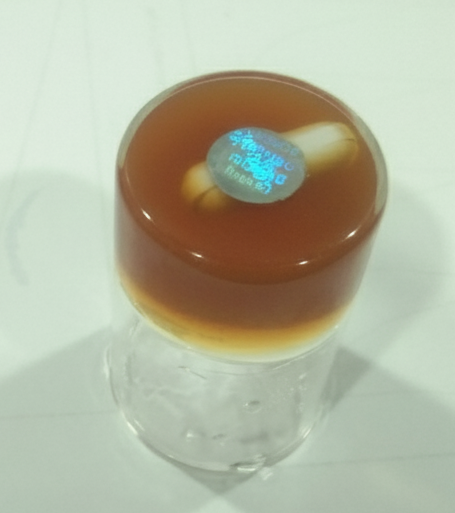
Supercapacitors—known for their rapid charging and high power output—often rely on liquid electrolytes that pose risks of leakage, corrosion, and environmental damage. To overcome these challenges, the university’s research team created a KI-doped glyoxal-crosslinked gelatin hydrogel membrane electrolyte (GNHME) that combines gelatin, a natural biodegradable protein, with glyoxal, which enhances flexibility, and potassium iodide (KI), a redox-active additive that improves conductivity and capacitance.
The resulting semi-transparent, flexible hydrogel exhibits excellent ion conductivity and remains stable through thousands of charge-discharge cycles, making it ideal for solid-state supercapacitors of the future.
The study, published in Materials Today Chemistry (Impact Factor: 6.7), earned Patent No. 570983 for Nagaland University on September 22, 2025. The work was led by Mr. Duangailung Kamei with Mr. Dipankar Hazarika as co-researcher under the supervision of Dr. Nurul Alam Choudhury, Principal Investigator and Assistant Professor, Department of Chemistry. Funding support came from the University Grants Commission (UGC), Science and Engineering Research Board (SERB), and the Ministry of Tribal Affairs, Government of India.
Applauding the achievement, Vice Chancellor Prof. Jagadish K. Patnaik said, “This breakthrough reflects Nagaland University’s commitment to advancing sustainable technologies and contributing to a greener future. The research team’s dedication exemplifies scientific excellence with real-world environmental relevance.”
Dr. Choudhury emphasized the significance of the work: “Developing biodegradable, redox-active solid electrolytes is a crucial step toward eco-friendly, high-performance energy systems aligned with India’s sustainable development goals.”
The hydrogel’s superabsorbent nature—capable of absorbing water up to 717%—and its leak-proof, flexible design enhance safety and efficiency. Early prototypes built using the membrane successfully powered LED lamps for extended durations, showcasing its practical potential.
Lead researcher Mr. Kamei noted that the team is now working to optimize the dopant composition to improve energy density and durability while scaling up for real-world integration. Co-researcher Mr. Hazarika added that the innovation underscores India’s growing leadership in clean energy research, offering a low-cost, sustainable alternative to traditional synthetic electrolytes.
The development of this gelatin-based electrolyte marks a milestone in environmentally responsible materials science. With its biodegradability, low toxicity, and scalability, it promises to make future energy storage systems safer, cheaper, and more sustainable—ideal for sensitive applications like wearable medical devices and remote renewable installations.