
Nagaland University Study Recommends Ecotourism to Curb Rising Human–Tiger Conflicts Near Jim Corbett
EduNe Bureau
Kohima: Researchers from Nagaland University have identified ecotourism as a key strategy to mitigate rising human–tiger conflicts in Uttarakhand, particularly in the buffer zones surrounding Jim Corbett National Park.
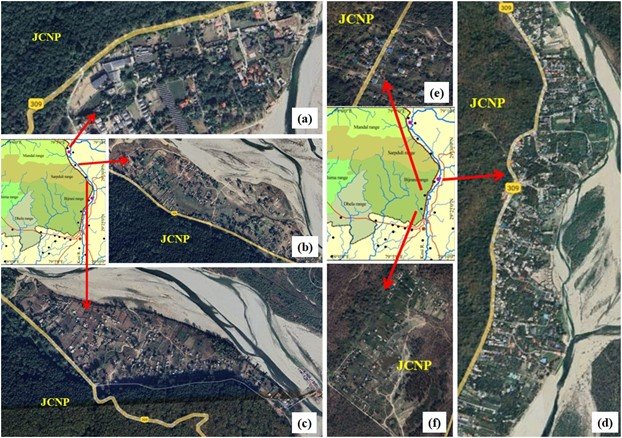
The study, conducted in the eastern transitional buffer zone near Ramnagar and adjoining villages, highlights a steady rise in human–tiger encounters over the past three decades. Analysing spatiotemporal trends from 1991 to 2025, the researchers found that conflict incidents have increased by nearly three per cent annually, with very high-risk zones expanding at the fastest pace.
Published in Springer’s Environmental Monitoring and Assessment, the peer-reviewed research integrates ecological assessment and human–tiger conflict mapping through GIS-based modules. The team examined changes in land use, habitat shrinkage, demographic shifts, tourism pressure and infrastructure expansion to identify four categories of conflict risk zones — low, moderate, high and very high.
Uttarakhand, known for its rich biodiversity and significant tiger population, has witnessed increasing encounters due to habitat degradation, human encroachment and growing pressure on forest resources. Districts such as Pauri, Almora and Nainital have reported loss of human lives, livestock damage and heightened fear among local communities.
Prof. M. S. Rawat of the Department of Geography, Nagaland University, said adverse ecological changes and unregulated tourism beyond ecological carrying capacity have contributed to the rising conflict. He emphasised that shrinking wildlife habitats and expanding infrastructure in eco-sensitive areas are intensifying encounters between humans and tigers.
Vice Chancellor Prof. Jagadish K. Patnaik lauded the research, stating that community-based ecotourism can reduce dependency on forest resources, strengthen local livelihoods and promote coexistence with wildlife. He noted that such studies reflect the university’s commitment to addressing pressing environmental challenges through practical, community-oriented solutions.
The research proposes a comprehensive mitigation framework centred on ecotourism-based initiatives in identified hotspots. Recommendations include community awareness drives, scientific land-use planning, conflict risk zone mapping, installation of protective barriers in high-risk areas and promotion of responsible tourism practices for visitors and locals alike.
Co-authors Ms. Ananya Rawat of Amity Institute of Forest and Wildlife and Dr. Pradeep Kumar Rawat of Asian International University underscored the importance of alternative livelihoods, habitat restoration, early warning systems and community vigilance mechanisms to ensure sustainable coexistence.
The study was based on field surveys, interviews with affected families and official data from forest department offices. Researchers believe the findings will assist wildlife managers and policymakers in strengthening conservation planning, enhancing public safety and adopting coordinated mitigation approaches akin to disaster management frameworks.
Established under the Nagaland University Act, 1989, Nagaland University is the only Central University in Nagaland, with campuses at Lumami, Kohima and Medziphema and 76 affiliated colleges across the state.