EduNE Bureau
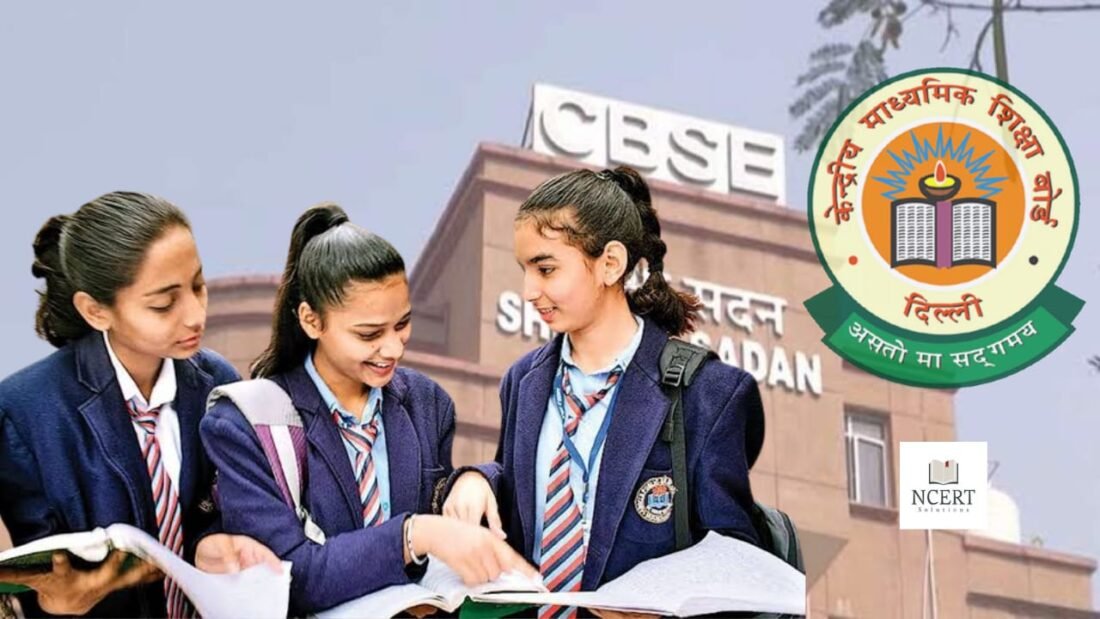
The Central Board of Secondary Education (CBSE) will integrate open-book assessments (OBAs) into Class 9 examinations from the 2026-27 academic session, following encouraging feedback from teachers during a pilot study.
The decision was taken at a meeting of the CBSE’s Governing Body, the board’s highest decision-making authority, held in June, according to a report at The Indian Express.
The proposal will see OBAs incorporated as part of three pen-paper assessments per term for core subjects such as languages, mathematics, science, and social science.
This move aligns with the National Curriculum Framework for School Education (NCFSE) 2023, developed under the National Education Policy (NEP) 2020. The NCFSE notes that open-book tests allow students to access textbooks, notes, and other resources while answering questions, shifting the focus from rote memorisation to application, synthesis, and critical thinking.
The Board had first approved a pilot study in December 2023 for Classes 9 to 12 to explore aspects such as completion time and stakeholder perceptions. As reported by The Indian Express in February 2024, the pilot revealed student scores ranging from 12% to 47%, underscoring challenges in using reference materials effectively and understanding interdisciplinary concepts.
“Despite these hurdles, teachers expressed optimism about OBAs, noting their potential to foster critical thinking,” the minutes stated. Feedback from the pilot highlighted the need for structured guidance to help students navigate resources and apply knowledge contextually.
The CBSE now plans to create standardised sample papers to maintain question quality and encourage higher-order thinking. While the framework for Class 9 will not make OBAs mandatory, it will guide schools on integrating them into internal assessments if they choose to do so.
Education experts note that open-book assessments are not inherently easier than traditional exams, as they demand deeper comprehension and analytical skills. For teachers, the challenge will be in designing questions that go beyond direct recall.