From Struggle to Service: Protap Saikia’s Mission to Provide Free Quality Education in Semi-Urban Assam
EduNe Bureau
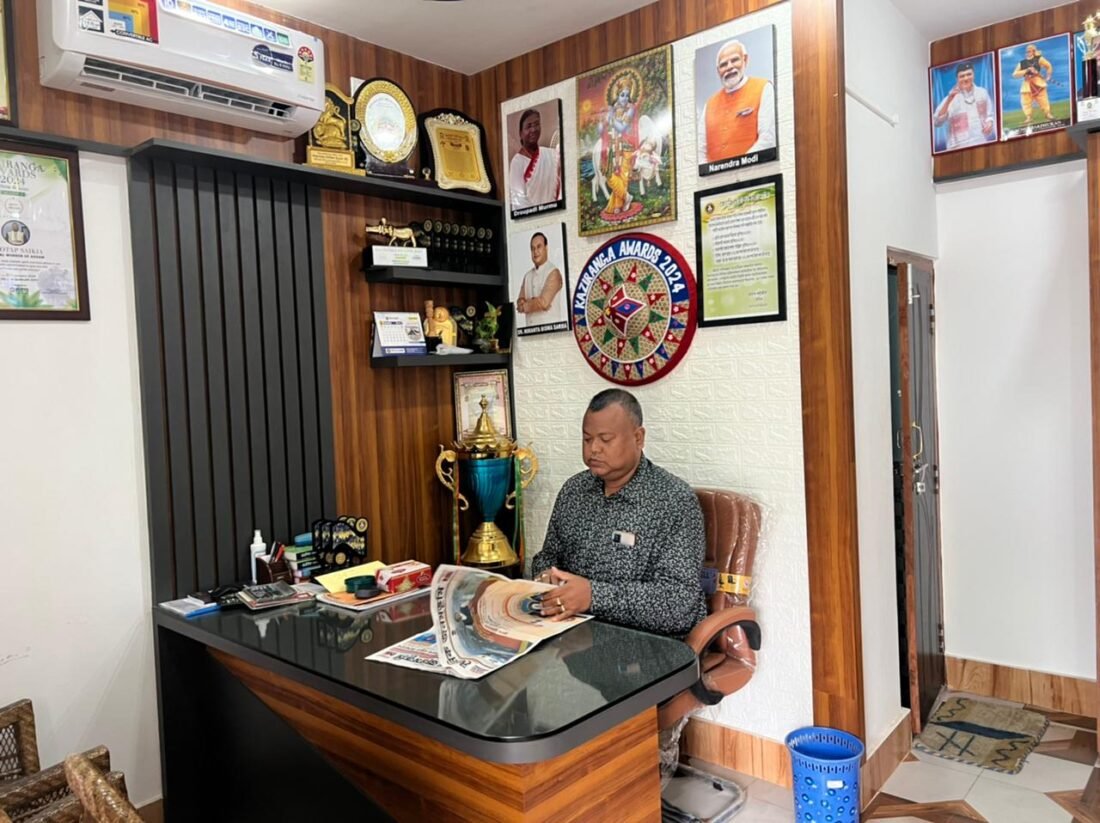
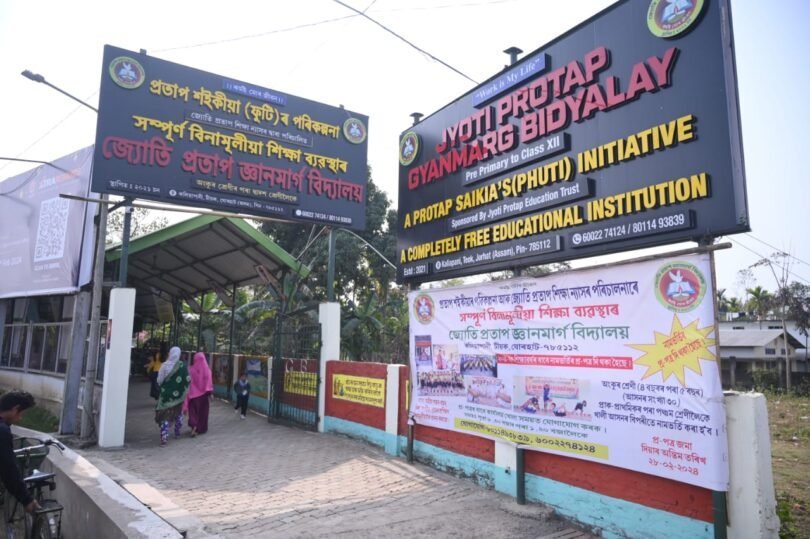
In a quiet semi-urban corner in Teok in Upper Assam a remarkable initiative is transforming lives through education. Jyoti Protap Gyanmarg Bidyalay, founded by Protap Saikia, offers free, high-quality education to underprivileged children. What makes this school stand out is not just its fully equipped digital classrooms but also its deep commitment to cultural values, community involvement, and holistic learning.
In this exclusive conversation with Edune.in, Mr. Saikia shares his journey, philosophy, and vision for inclusive education.
- What inspired you to work with an institution that offers free education to underprivileged children?
Protap Saikia:
I come from a very poor family, and completing my own education was extremely difficult due to financial constraints. That experience shaped my vision. I wanted to create a school that removes economic barriers for children and provides them the same opportunities as those studying in big city schools. That dream became Jyoti Protap Gyanmarg Bidyalay — a fully equipped, completely free private school for the underprivileged.
- How would you ensure quality learning despite limited resources in a semi-urban school environment?
Our school may be in a semi-urban area, but it is equipped with all modern facilities. From digital classrooms to well-trained teachers, we ensure that the quality of education here can easily compete with any private school in a metropolitan area.
- What teaching methods do you use to engage students from diverse and disadvantaged backgrounds?
All our teachers are specially trained to handle diverse classroom situations. Each class is equipped with a digital board, and lessons are made engaging through audio-visual presentations. This interactive approach keeps students interested and helps them understand concepts better.
- How do you balance academics with co-curricular activities like music, yoga, and art?
Every Friday is designated as “Special Friday.” On this day, students are divided into different groups to participate in activities like music, Sattriya Nritya, Gayan-Bayan, Taekwondo, art and crafts, and quiz competitions. This helps in the overall development of their talents beyond academics.
- How would you use digital tools or technology to make your classes more effective?
All our classrooms are digital, and teachers receive regular training in using technology effectively. We also have well-equipped computer and robotics labs, and every class is under CCTV surveillance for transparency and safety.
- What steps would you take to reduce absenteeism and motivate regular attendance?
Class teachers closely monitor attendance and track frequently absent students. We encourage attendance by recognizing and rewarding students with 100% attendance. This builds a sense of motivation and healthy competition among them.
- How would you involve parents and the local community in a child’s learning journey?
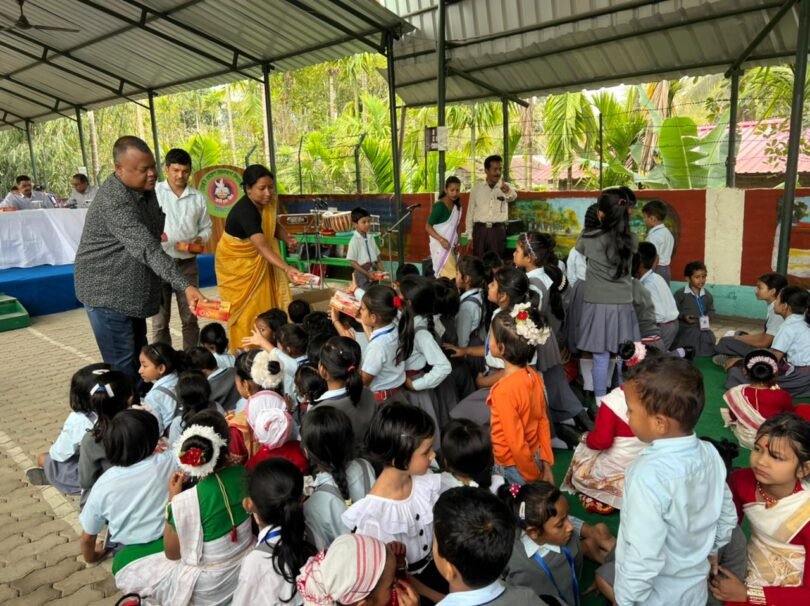
We actively engage parents and the community. Each class has a WhatsApp group for guardians to discuss issues and updates in real time. Since the school is completely free, many guardians voluntarily help by cleaning the campus, maintaining gardens, and assisting during events.
We also organize annual celebrations, competitions, and motivational programs to strengthen the bond between the school and the community.
- How do you promote local culture, language, and values through your teaching?
Our school building reflects Assamese culture — from traditional architecture to wall paintings depicting local heritage. We have a Kirtan Ghar at the center of the campus for spiritual and cultural activities.
Students learn Bihu dance, Sattriya Nritya, Gayan-Bayan, and Assamese songs every Friday. We also celebrate Srimanta Sankardeva and Madhabdeva Tithis, Bohag Bihu, Magh Bihu, Kati Bihu, Silpi Divas, Bishnu Rabha Divas, and Sudhakantha Divas — making cultural learning an integral part of our curriculum.
- Describe how you would handle classroom discipline issues with empathy and fairness.
We believe in positive discipline. Each class has only 30 students, following our “Excellent Thirty” concept, which allows teachers to give individual attention.
All classrooms are under CCTV surveillance, monitored from the Director’s room. Guardians can also view live class activities on a digital screen in the waiting area. The cheerful classroom environment, filled with colorful educational murals, naturally encourages good behavior and focus.
- What new idea or innovation would you bring to strengthen Jyoti Protap Gyanmarg Bidyalay’s mission in a semi-urban context?
Today’s education system often prioritizes marks over true learning. Our vision is to focus on all-round development as envisioned in the National Education Policy (NEP).
We emphasize not only academics but also character building, yoga, music, self-defense, computer literacy, and robotics. Our goal is to nurture human capital — responsible, confident, and skilled individuals ready to contribute meaningfully to society.