Empowering the Northeast Through Innovation: A Conversation with the Vice Chancellor of Assam Down Town University
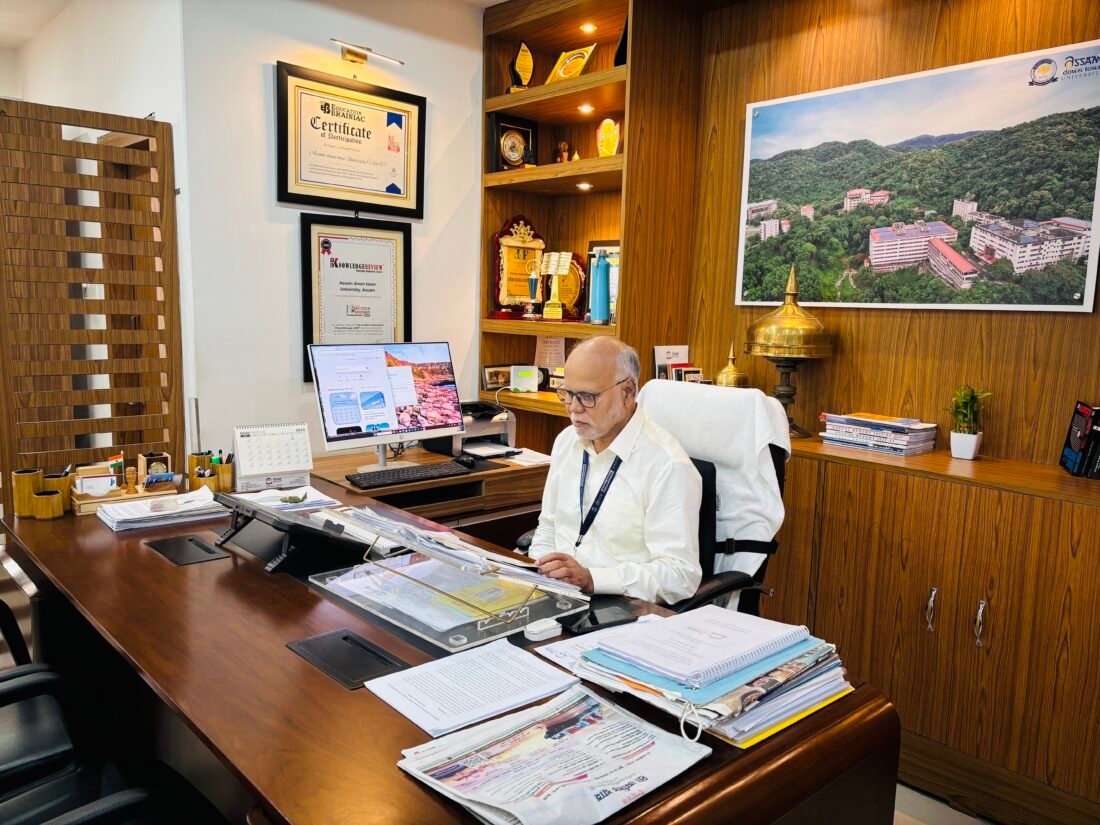
Edune Bureau
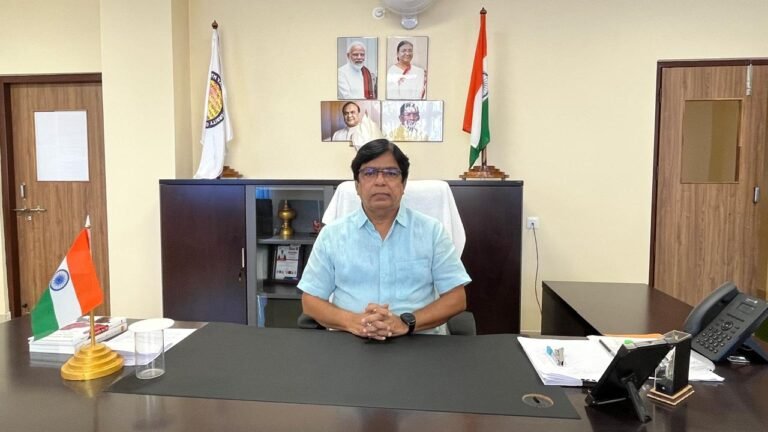
In a candid conversation with edune.in, the Vice Chancellor of Assam Down Town University Prof. (Dr.) Narayan Chandra Talukdar (AdtU ) shares insights on how the university is shaping the future of higher education in Northeast India — balancing academic excellence, industry readiness, and inclusivity in an evolving education landscape.
Q1. Assam Down Town University has positioned itself as a career-focused private institution. How are you differentiating your programs in an increasingly competitive education market in the Northeast?
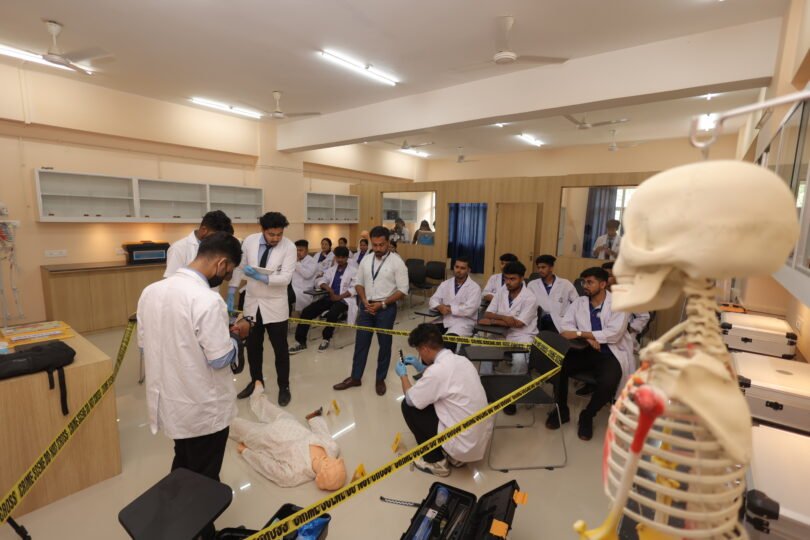
Vice Chancellor: Assam Down Town University is working towards building a career-centric ecosystem, especially in the Northeast region where employability and innovation need to go hand in hand. We have introduced outcome-based curricula aligned with national skill frameworks and partnered with more than 300 industries for internships, placements, and training programs. Our distinction lies in blending academic excellence with hands-on industry exposure—students from healthcare, technology, and management streams gain real-time problem-solving experience.
Q2. How is ADTU strengthening industry-academia linkages and ensuring that graduates are job-ready beyond academics?
Vice Chancellor: Industry-academia collaboration is the cornerstone of our model. Every program integrates internships, fieldwork, and live projects. We engage professionals from sectors like healthcare, IT, and renewable energy to mentor students and help bridge the skill gap through real-world exposure.
Q3. How do you balance quality versus cost while catering to diverse socio-economic backgrounds of students in the region?
Vice Chancellor: Inclusivity is central to our philosophy. Around 40% of our students benefit from financial aid or scholarships, which allows us to cater to diverse socio-economic backgrounds without compromising on quality. We believe quality education should be accessible, not exclusive.
Q4. What is ADTU’s strategy to attract international students and make Guwahati a higher education hub?
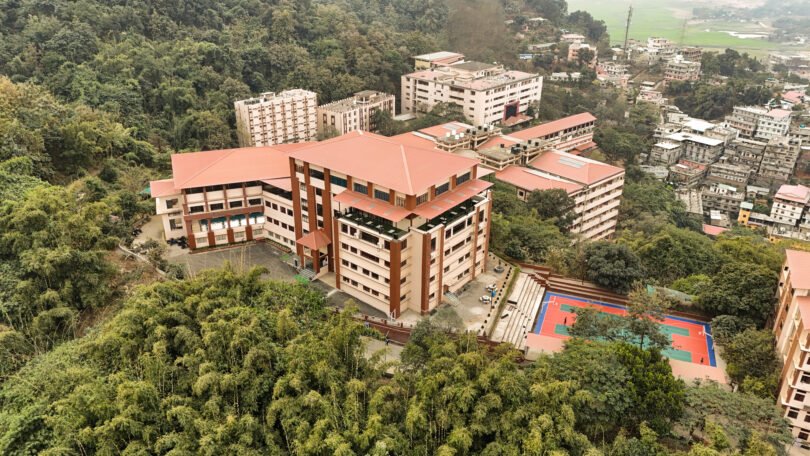
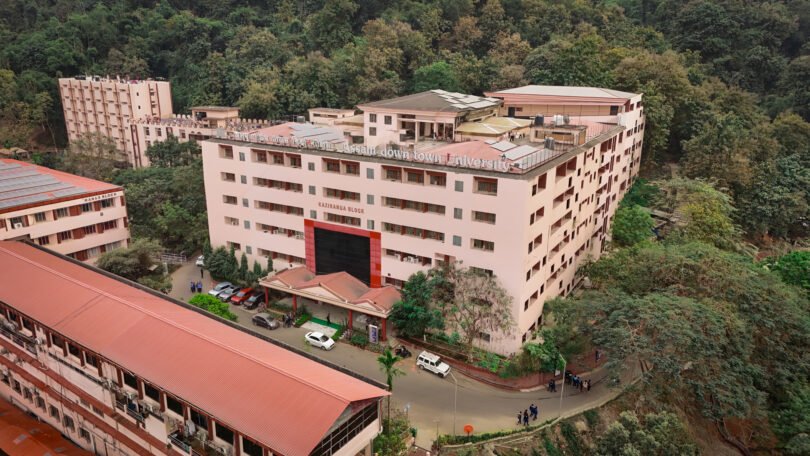
Vice Chancellor: We are working to position Guwahati as a global education destination by building collaborations with universities abroad, offering international exposure, and hosting exchange programs. Our campus is designed to provide a multicultural environment conducive to global learning.
Q5. How open is ADTU to collaborating with platforms like EDUNE.IN for digital outreach, student engagement, and employability programs?
Vice Chancellor: We are absolutely open to such partnerships. Platforms like EDUNE.IN play a vital role in bridging institutions with students and employers. Collaboration can amplify digital outreach, provide better visibility for our initiatives, and enhance employability linkages for our students.
Q6. How do you see your institution contributing to the future of higher education in Northeast India over the next 5–10 years?
Vice Chancellor: Over the next decade, we envision ADTU becoming a knowledge and innovation hub for Northeast India—bridging regional aspirations with global opportunities. Our goal is to nurture students who are not only skilled and employable but also socially conscious and regionally rooted.
Q7. With rising concern over the skill vs job gap, what measures are you taking to ensure students are industry-ready and employable?
Vice Chancellor: Our programs integrate soft skills, entrepreneurship modules, and real-time projects. We also maintain close feedback loops with employers to continuously update our curriculum. The aim is to produce graduates who can transition seamlessly into the workforce.
default
Q8. How are you leveraging digital tools, online platforms, and tech-enabled learning to transform education delivery and student engagement?
Vice Chancellor: Digitally, ADTU has adopted blended learning, simulation labs, and AI-based teaching tools that connect students across geographies. These innovations make learning more immersive and accessible, especially for students in remote areas.
Q9. How open is your institution to partnerships with industry, startups, and digital platforms to create better outcomes for students?
Vice Chancellor: Collaboration is in our DNA. We are actively partnering with industries, startups, and digital learning platforms to create real-world learning experiences and placement opportunities. Our intent is to make ADTU a hub of practical innovation.
Q10. The New Education Policy emphasizes interdisciplinary learning, flexibility, and global exposure. How is your institution implementing this framework?
Vice Chancellor: Our curriculum already reflects the NEP 2020 spirit — it’s flexible, interdisciplinary, and outcome-oriented. Students can now choose from multiple domains, engage in skill-based learning, and pursue projects that align with both national and global standards.