Nagaland University Researchers Transform Pineapple Waste into Premium Vinegar, Boosting Rural Livelihoods
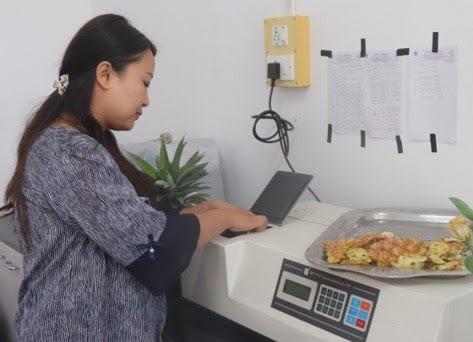
Kohima: Scientists at Nagaland University have developed an innovative and sustainable technique to convert discarded pineapple peels into high-quality vinegar, opening new avenues for rural income generation while tackling the growing environmental challenge of fruit waste.
The research demonstrates that pineapple processing waste—particularly peels—can be effectively repurposed into value-added products through controlled fermentation, significantly reducing landfill burden and disposal costs. The study found that vinegar produced from pineapple peels delivered superior acidity, colour, flavour, and overall sensory quality when compared to products derived from other pineapple by-products.
Nagaland has emerged as a major pineapple-growing region in India, especially known for the highly juicy and low-fibre ‘Kew’ variety, with the ‘Queen’ variety cultivated in smaller areas. Government initiatives such as the Mission for Integrated Development of Horticulture (MIDH) and the Mission Organic Value Chain Development for North Eastern Region (MOVCDNER) have accelerated commercial cultivation across districts including Chümoukedima, Niuland, Dimapur, Kiphire and Mokokchung.
Large quantities of pineapple peels, cores, pomace and crowns are generated during processing and post-harvest handling. These residues, if unmanaged, pose serious environmental risks. However, the researchers found these nutrient-rich by-products—containing fibre, pectin, vitamins and minerals—are ideal substrates for fermentation and other value-added applications.
The study revealed that peel-based vinegar, produced using standard yeast (Saccharomyces cerevisiae) and acetic acid bacteria, not only matches but could potentially replace expensive apple-based vinegars in the market, creating strong commercial opportunities for farmers and small-scale entrepreneurs in pineapple-producing regions.
The findings have been published in the peer-reviewed European Journal of Nutrition and Food Safety (DOI: 10.9734/ejnfs/2025/v17i31667).
The research team included Dr. Sentinaro Walling, Prof. Akali Sema, Prof. C.S. Maiti, Dr. Animesh Sarkar, Prof. S.P. Kanaujia and Ms. Alemla Imchen from the Department of Horticulture, Nagaland University.
Vice-Chancellor Prof. Jagadish K. Patnaik described the breakthrough as a milestone in sustainable agricultural innovation. He said the work reflects the university’s commitment to combining scientific research with local resources to create eco-friendly, commercially viable solutions that can empower rural communities.
Prof. Akali Sema, who led the academic team, explained that multiple pineapple waste components were tested for vinegar production, and peel-based vinegar consistently outperformed others in taste, aroma, acidity and visual appeal during sensory evaluations.
Prof. C.S. Maiti added that further work is underway to make pineapple crowns export-friendly, improve packaging and enhance fruit quality, yield and shelf life.
Dr. Animesh Sarkar noted that the university has also developed staggered planting techniques for farmers to prevent seasonal oversupply, stabilise prices and ensure year-round income and employment.
Additionally, research scholar Ms. Sentinaro Walling is in the process of registering a patent for the development of candy from pineapple core waste.
The research marks a significant step toward sustainable pineapple production in Nagaland, strengthening value-addition systems, reducing environmental waste and creating new economic opportunities for farming communities.