Nagaland University and Assam Down Town University Unlock Medicinal Secrets of Endangered Meghalaya Plant, Goniothalamus simonsii
EduNe Bureau
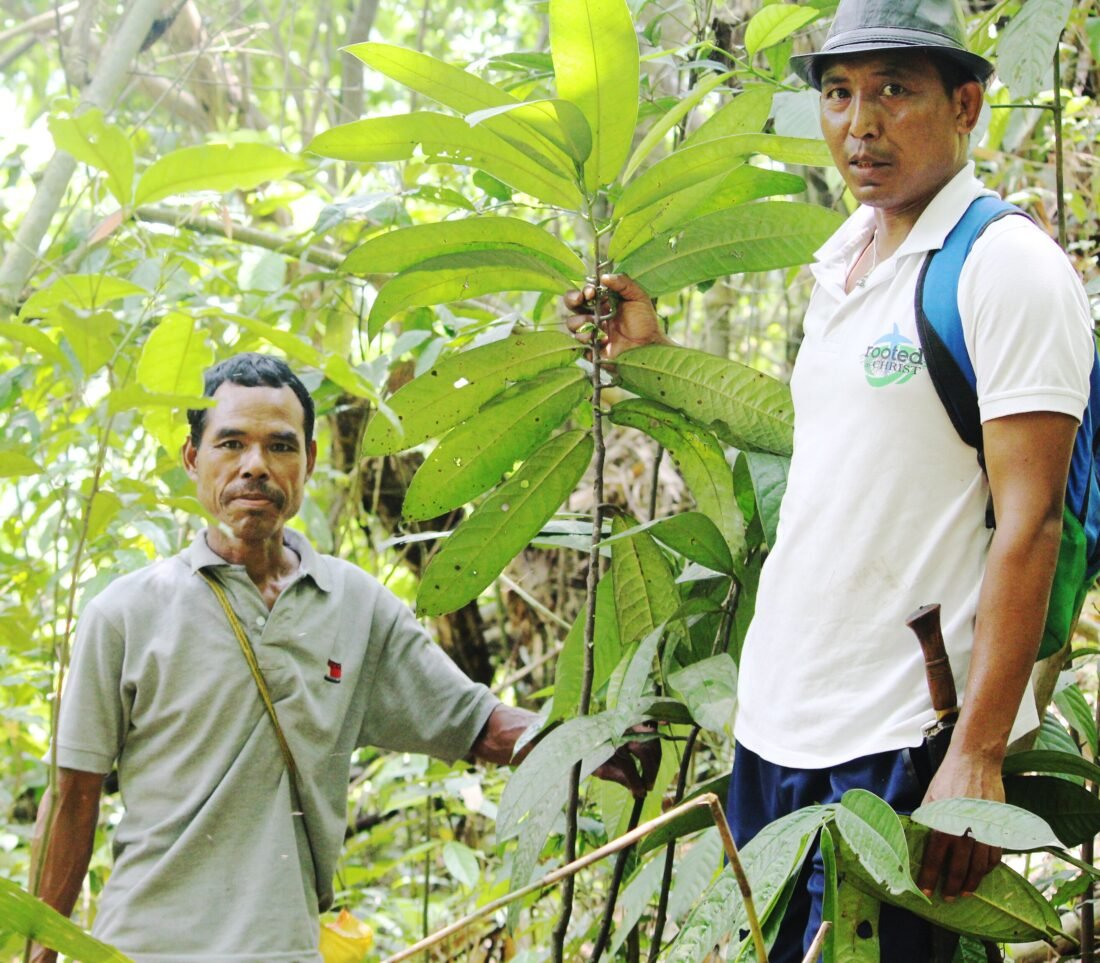
Kohima: In a groundbreaking collaboration, researchers from Nagaland University and Assam Down Town University have scientifically validated the medicinal potential of Goniothalamus simonsii Hook. f. Thoms., an endangered and endemic plant species found in the forests of Meghalaya. Long valued by indigenous communities for treating ailments such as gastrointestinal disorders, throat irritation, typhoid, and malaria, this is the first-ever comprehensive scientific study to explore the plant’s pharmacological properties.
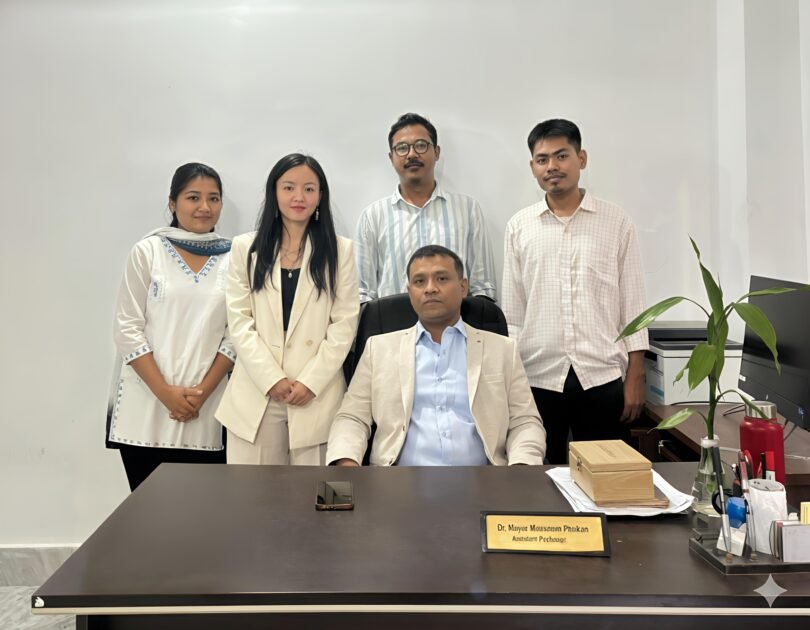
Led by Dr. Mayur Mausoom Phukan, Assistant Professor at Nagaland University’s Department of Forestry, with his student Mr. Samson Rosly Sangma, the study reveals that Goniothalamus simonsii is rich in bioactive phytochemicals exhibiting strong antioxidant, antimicrobial, and anticancer activities. Using advanced analytical techniques and computational modelling, the researchers demonstrated how natural compounds from this rare species interact with cancer-related proteins — findings that could pave the way for new, plant-based therapeutic drugs.
The research, published in October 2025 in the international journal Chemistry and Biodiversity (https://doi.org/10.1002/cbdv.202501513), was co-authored by Dr. Dhrubajyoti Gogoi of Assam Down Town University and Dr. Pranay Punj Pankaj and Ms. Vahshi Chongloi of Nagaland University.
Applauding the team’s achievement, Prof. Jagadish K. Patnaik, Vice Chancellor of Nagaland University, said the study not only highlights the university’s commitment to scientific excellence but also “bridges the gap between traditional knowledge and modern research.” He added, “This research contributes to the conservation of a rare and endangered species while promoting sustainable utilization of India’s rich biodiversity.”
Dr. Phukan emphasized that the findings come at a crucial time when antibiotic resistance and side effects of synthetic drugs challenge global healthcare systems. “Our study reaffirms that India’s biodiversity is a treasure trove for modern drug discovery. Goniothalamus simonsii holds immense pharmacological promise and underscores the urgent need for its conservation,” he said.
The study identified several bioactive compounds with antioxidant, anti-inflammatory, antidiabetic, antimicrobial, and anticancer effects. Extracts from different parts of the plant showed strong antiproliferative activity against colon cancer cells in laboratory conditions, highlighting its potential as a source of natural anticancer agents.
Calling attention to the plant’s critical conservation status, Mr. Samson Rosly Sangma noted that Goniothalamus simonsii is now confined to a few natural habitats in Meghalaya due to declining awareness of its medicinal value. Listed as “Endangered” by the IUCN, it requires immediate conservation and cultivation initiatives. “By generating robust scientific data, we hope our research will inspire efforts to preserve and sustainably use this rare species,” he said.
Beyond its immediate medicinal implications, the study offers a model for integrating ethnomedicine with modern biotechnology — a step that strengthens India’s mission to transform traditional knowledge into globally relevant healthcare solutions. The research team plans to pursue in vivo and clinical studies to further validate the plant’s efficacy and explore its role in future phytopharmaceutical formulations.
This landmark study not only elevates Nagaland University’s position in biodiversity-based innovation but also reinforces the Northeast’s growing role in advancing sustainable, indigenous-led health research rooted in traditional wisdom and ecological balance.